Battery testing. Done safely.
Looking For Something Specific?
ABUSE TESTING INFRASTRUCTURE
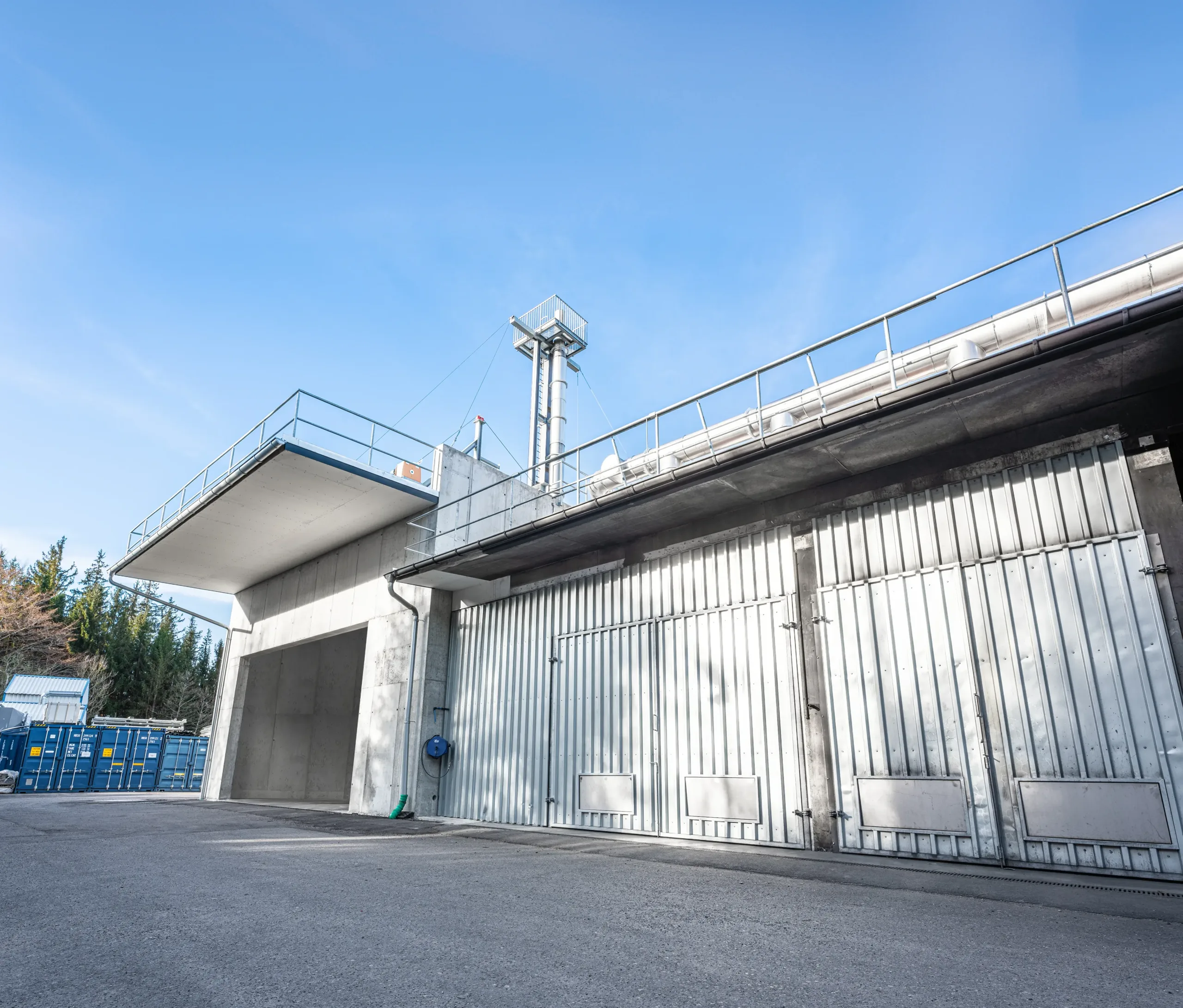
Specialised infrastructure enables test scenarios that go beyond standard procedures. Our facilities range from abuse chambers through drop towers and crush presses to test rigs for special tests.
Mechanical and Impact Testing
Our mechanical test rigs are built for both quasi-static and dynamic crush testing, so we can give you the real boundary conditions your simulation needs. On dynamic crush tests in particular, our drop tower prevents a secondary impact. After testing comes battery analysis with 3D and CT scanning.
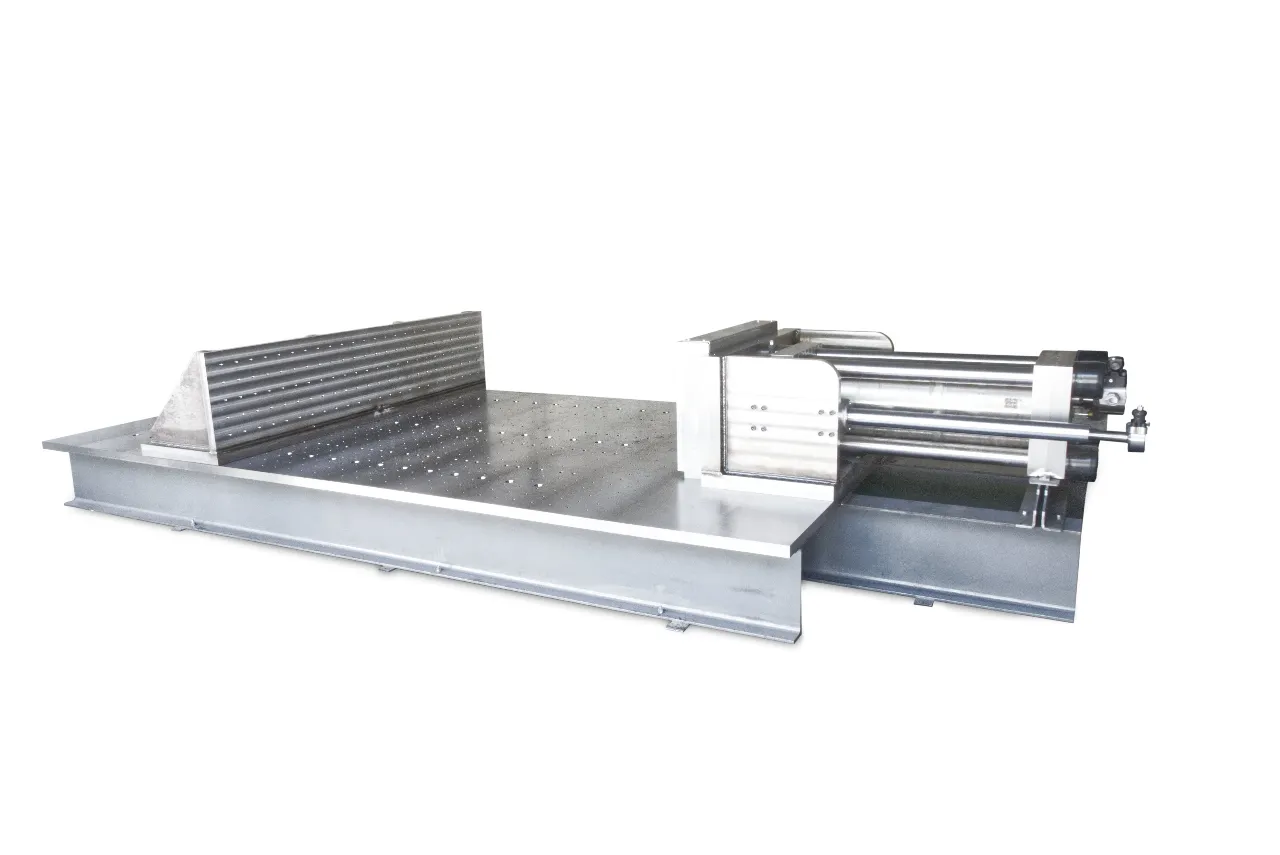
Large Horizontal Press
Pack & Module Level
Simulates real-world crash intrusion on complete battery packs. Precise speed and force control ensures close agreement between simulation and the real world.
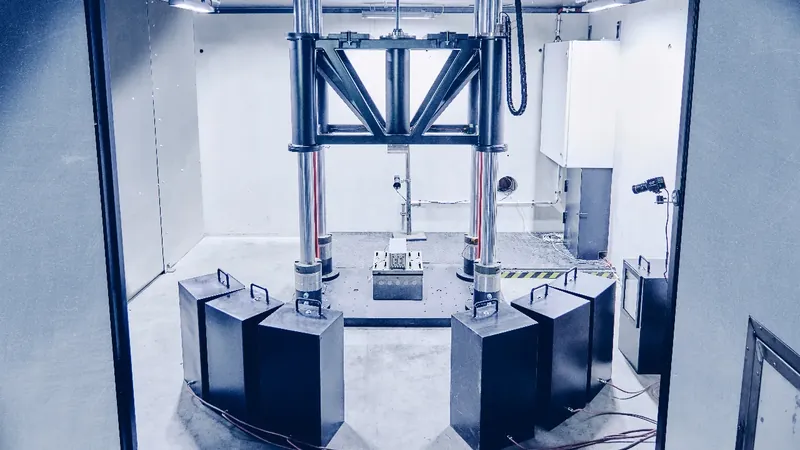
Impact Test Rig
Module & Cell Level
Highly dynamic impact rig for cells and modules. Displacement measurement captures the full dynamic deformation. A catch mechanism prevents a second impact.
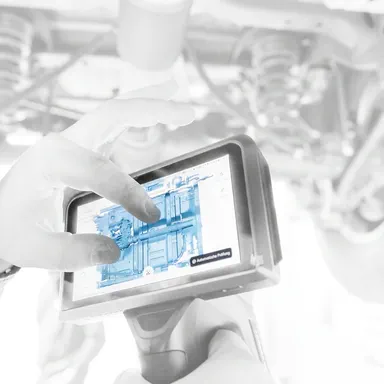
3D Scanner
External Metrology
Precise measurement of complex deformation makes it possible to validate simulation results against the real DUT.
Five Groups.
Complete Coverage.
Detailed Test Matrix
Abuse Tests
The electrical behaviour of a battery under stress determines its safety limits and product reliability. KE-TEC records the complete system response, from operating limits through to failure modes, and so provides the data basis for sound design decisions and for your documentation of evidence.
THERMAL RUNAWAY
- THERMAL RUNAWAY
- THERMAL STABILITY TEST
- OVERCHARGE TEST
- OVERDISCHARGE TEST
- Vehicle Abuse Test
- LITHIUM PLATING
Mechanical
Understanding how a battery system responds to physical force is the foundation of safety-critical design. KE-TEC characterises structural behaviour at every level, on the cell, the module and the battery pack, under the full spectrum of real-world mechanical load cases.
MECHANICAL TESTS
- STATIC CRUSH
- DYNAMIC CRUSH
- VIBRATION TEST
- SHOCK TEST
- ROLLOVER TEST
- DROP TEST
- BOTTOM IMPACT
Electrical Tests
Performance behaviour is the most safety-critical dimension of battery operation. KE-TEC's test infrastructure creates controlled failure scenarios and records the system response with the precision that evidence documentation and safety validation require.
ELECTRICAL TESTS
- BMS TESTS
- SHORT CIRCUIT TEST
Lifecycle
KE-TEC operates over 100 climate chambers that can simulate 8 years of realistic battery ageing in a single calendar year. This infrastructure makes lifetime prediction possible within standard development timelines, a capability unique in the independent testing sector.
Lifetime Tests
- REFERENCE PERFORMANCE TEST
- HIGH TEMPERATURE STORAGE
- LIFETIME CYCLING
Specialised
Tailored safety and performance diagnostics beyond standardised procedures, including electrochemical impedance spectroscopy (EIS), gas analysis and CT scans of cells before and after abuse tests.
Specialized Tests
- Specialized Tests
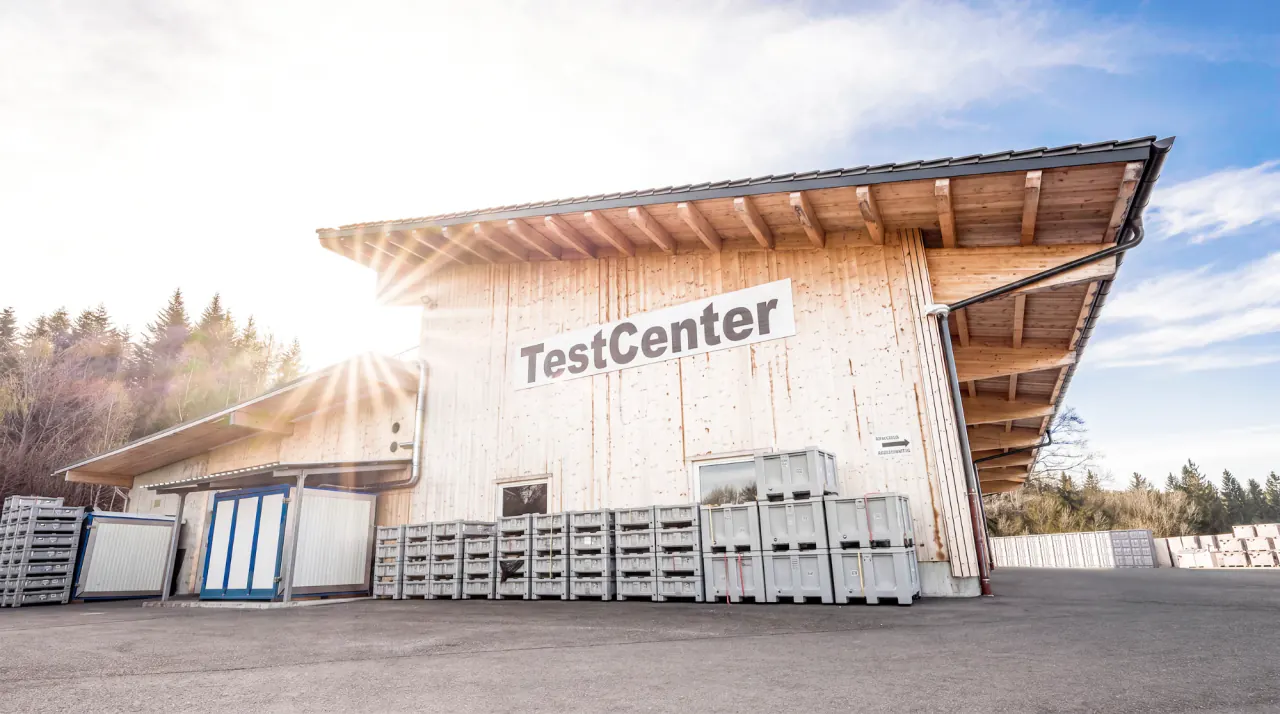
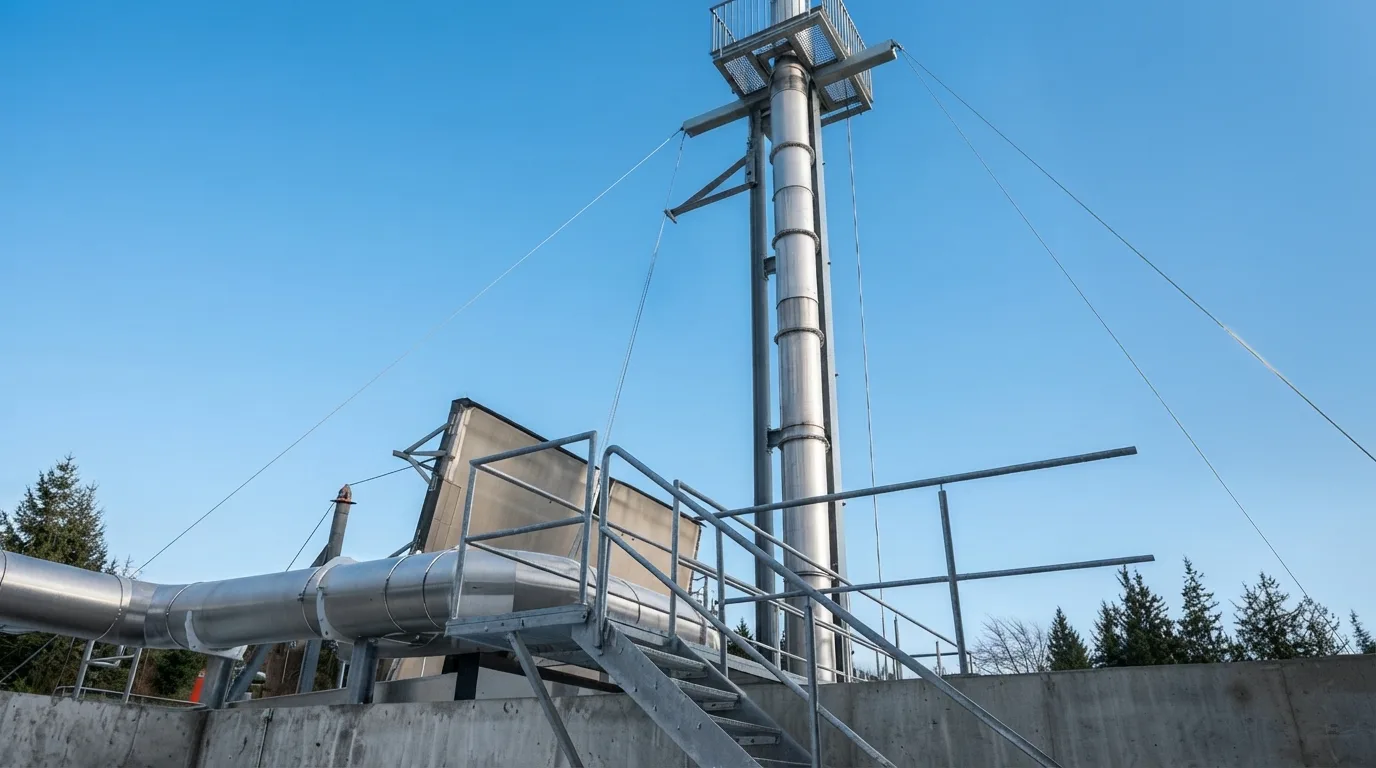
From complete vehicle tests down to the single cell, we cover everything, with modern exhaust gas treatment.
Straight answers, before you write to us
Do you test at cell, module or pack level, or can you go to full vehicle?
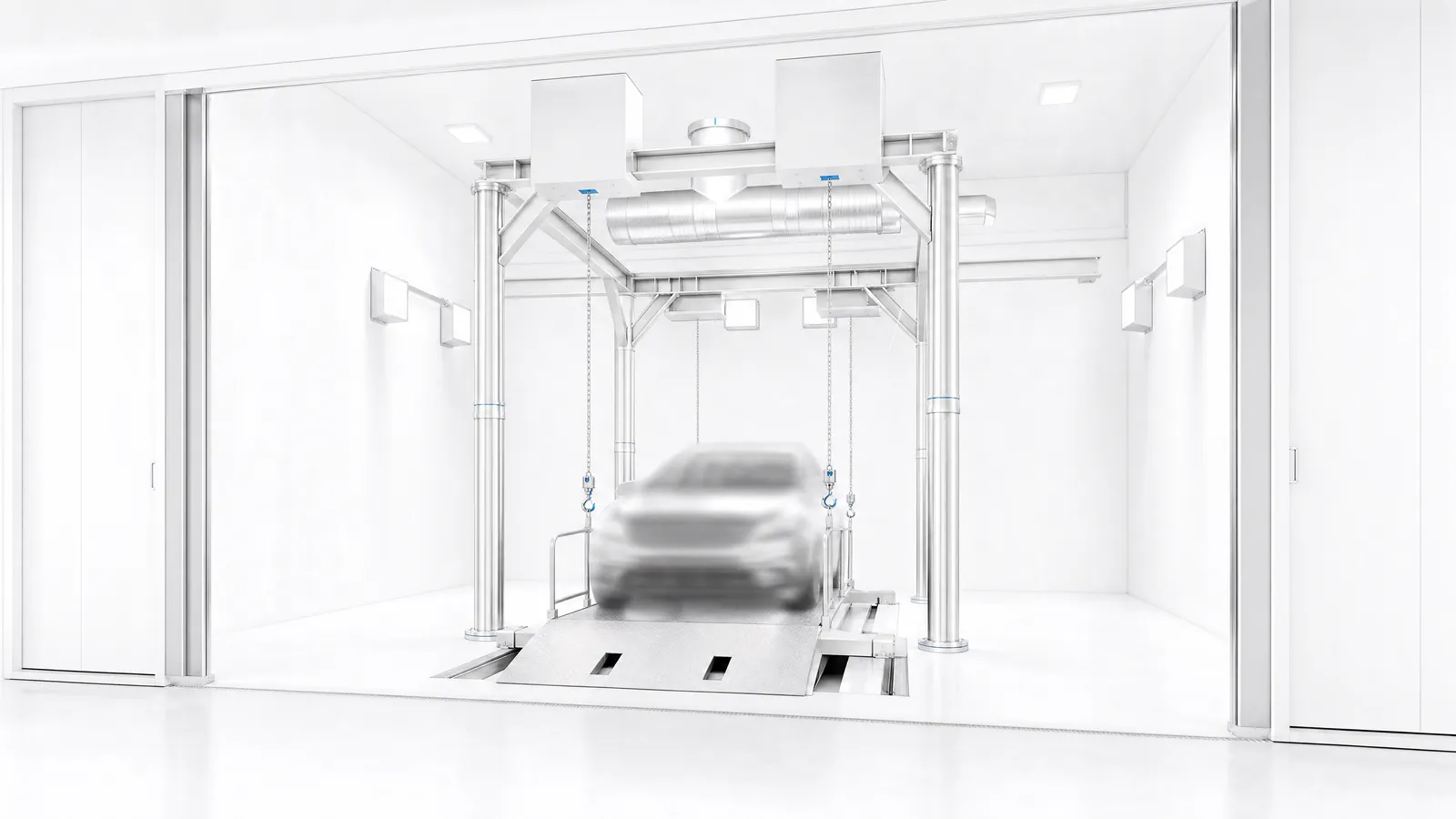
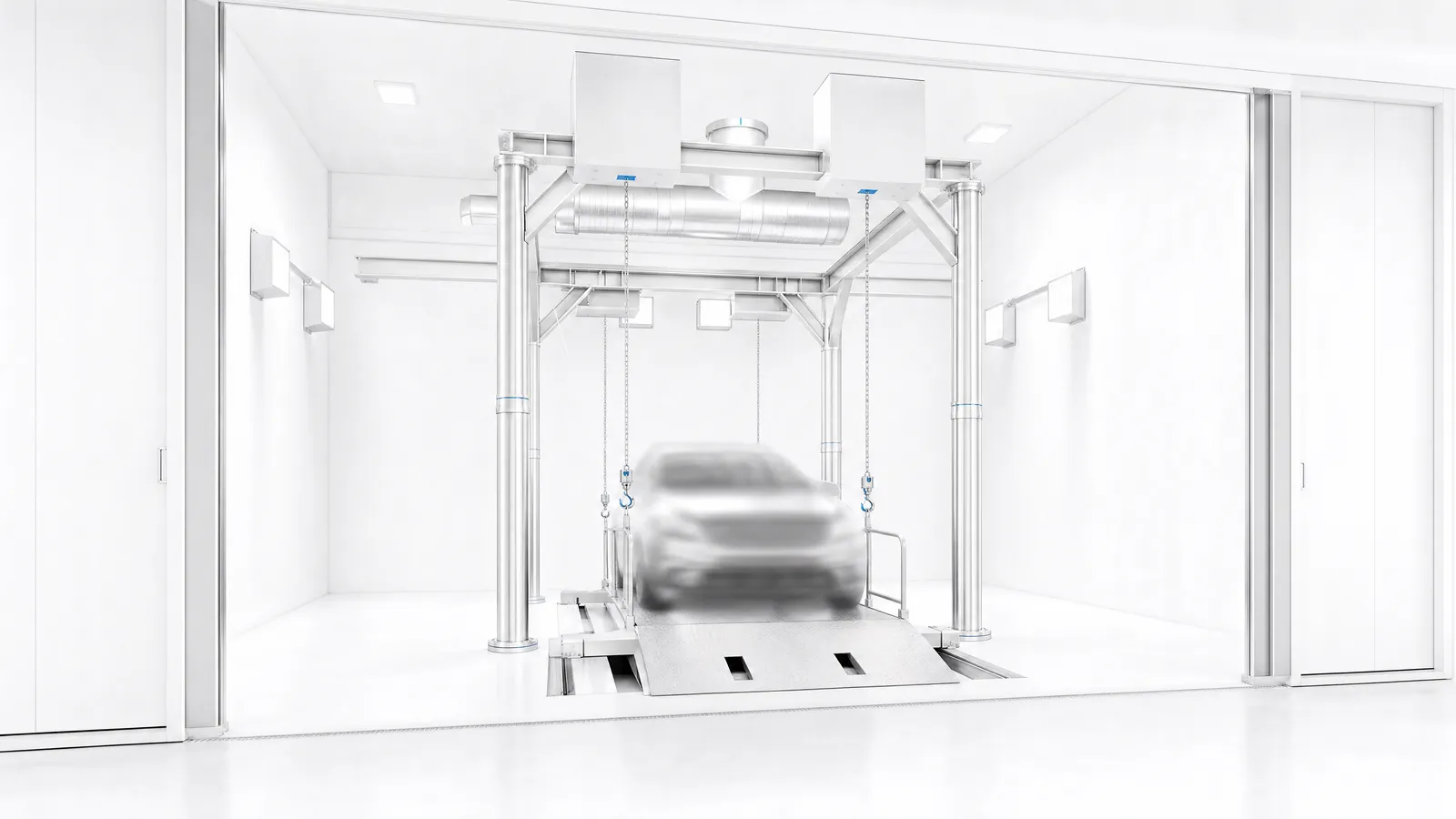
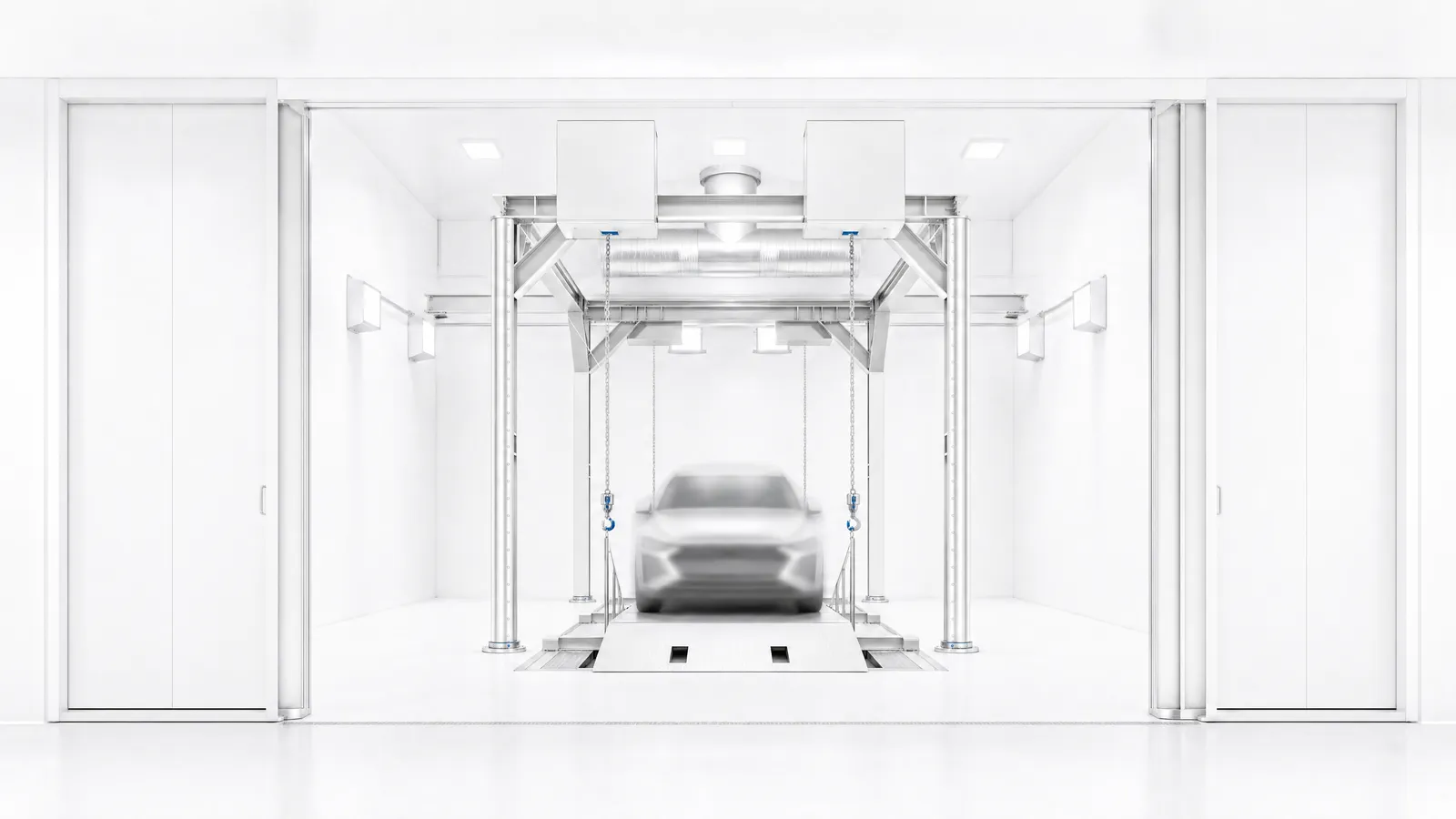
All levels, defined per test procedure. Thermal runaway and static crush run from single cell to complete battery, drop tests cover every format from cell to battery pack, and BMS validation for overcharge and over-discharge takes place at battery level. Vehicle-level thermal runaway tests are possible for vehicles up to 3.5 t (special requests for trucks are possible).
Can you run nail penetration with a customer-defined nail geometry and speed?
Yes. With a wide range of nail actuators we cover speeds from 0.1 mm/s to 100 mm/s. On request we can also pierce individual cell layers until a defined voltage drop occurs. There are no limits on nail geometry.
What is the difference between your static and dynamic crush tests?
The static crush test records the forces, deformations and energies at which leakage or thermal runaway begins. Very low speeds let us establish exactly when each event occurred, and 3D measurement at up to 10 kHz gives a detailed picture of the deformation behaviour. The dynamic crush test then verifies the result found on the press at real deformation speeds. Among other things, our highly dynamic drop tower prevents a second impact.
Can you cover the GB 38031-2025 bottom impact and vehicle-level thermal runaway requirements?
Yes, both, not accredited. Bottom impact runs to GB 38031-2025 with a repeatability of 2.5 J at 150 J and continuous displacement measurement at 350 kHz; other energy levels and impactor shapes are possible. Vehicle-level thermal runaway, triggered by heater or nail, takes place in our vehicle abuse chamber.
What do you actually measure during a thermal runaway test besides temperature?
In addition to temperatures, we can record every current and voltage signal of the DUT as well as its CAN communication. We also have FTIR gas analysis, which lets us determine the composition of vent gases or smoke ingress into the vehicle cabin.